
You Don’t Need Another Cookbook (You Need a Better Way to Cook From Scratch)
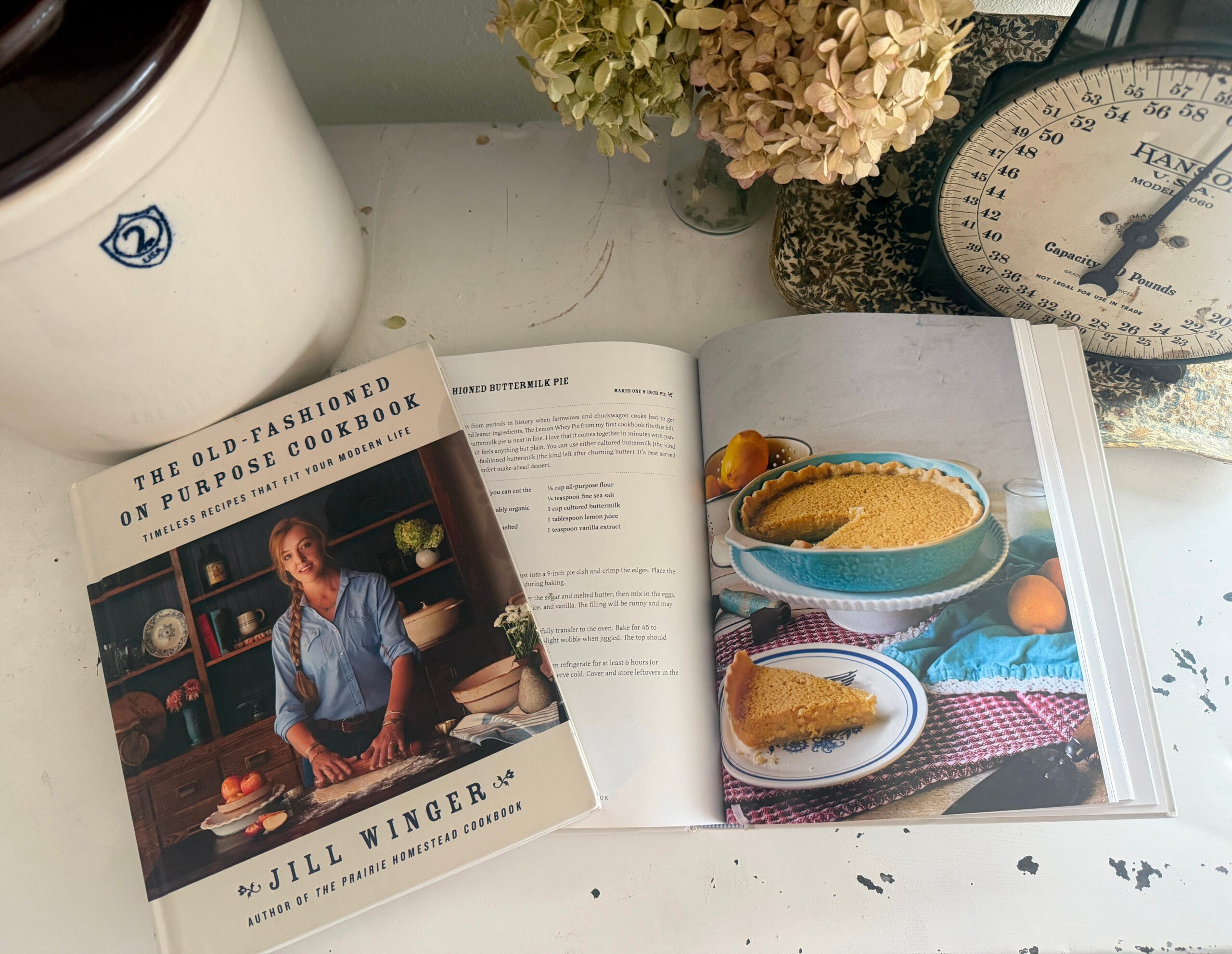
You probably don’t need another cookbook.
There. I said it.
Most of us already have plenty.
Whenever I’m thrift shopping (which is a LOT these days) I’m struck by the sheer volume of cookbooks for sale. Sometimes entire boxes of them. Often barely used.(And always a copious number of those Taste of Home compilation volumes. Remember those??)
It’s not that the recipes are bad. It’s that somewhere between admiring the pretty pictures and trying to figure out what to make for dinner on a random Tuesday, something gets lost.
Because most of us don’t actually need more recipes. We need a better way to cook from-scratch that works with our real lives.
And after years of cooking, homesteading, raising a family, and experimenting with just about every old-fashioned kitchen skill imaginable, I’ve learned a few things about what makes homemade cooking sustainable.
Why Cooking From Scratch Feels So Overwhelming
There’s a particular brand of from-scratch cooking that’s become popular online.
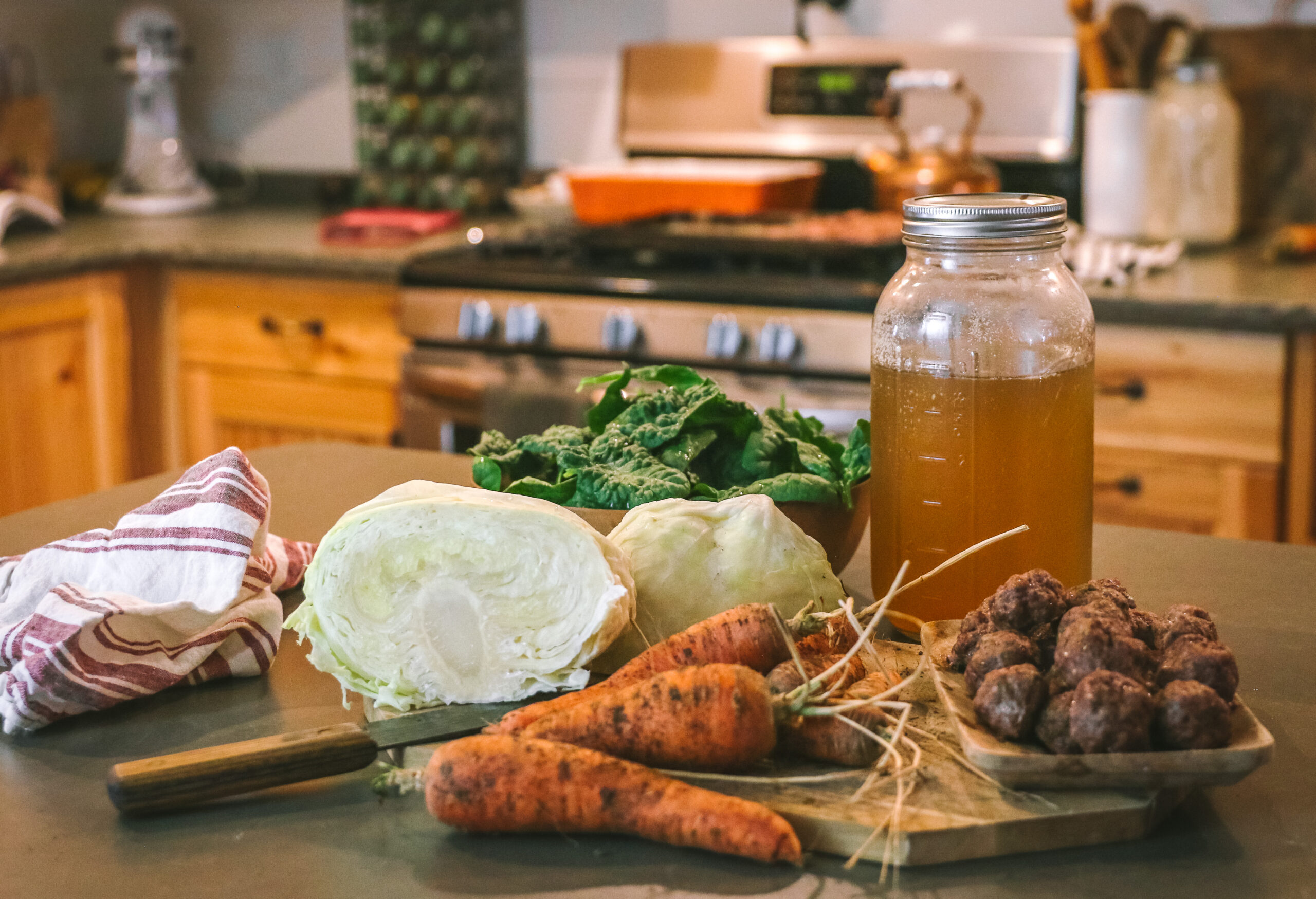
Everything is homemade. Every ingredient is organic. The sourdough is always bubbling. The pantry is perfectly organized. And somehow, there’s a fresh loaf of bread cooling on the counter every afternoon.
It’s lovely.
It’s also not how most of us live.
I know because I’ve tried the ultra-hardcore version of the old-fashioned homestead life.
Cooking nearly everything from scratch. Growing it. Milking it. Canning it. Fermenting it.
And while I still love many of those things, I’ve learned that capability is incredibly valuable, but exhaustion isn’t.
The goal shouldn’t be to make everything from scratch simply because we can.
The goal should be to build a kitchen that serves us instead of becoming another full-time job.
Because none of us simply need more recipes.
We need our actual kitchen problems solved, like:
“I have food in the house, but I still don’t know what to make.”
“I’m bored with the same meals I make over and over.”
“I tried the whole-hog homesteading thing and it wasn’t for me—but I still want real, nourishing food.”
“I don’t want to buy one weird ingredient I’ll never use again.”
“I like cooking from scratch, but I also have a life and a schedule.”
“I want old-fashioned skills… but I’m not trying to cosplay 1892.”
Same, friend. Same.
The good news? You don’t have to choose between homemade food and having a life.
4 Ways to Make Cooking From Scratch Easier
1. Stop Trying to Make Everything From Scratch
Just because you can make something from scratch doesn’t mean you always should.
I love homemade bread. I love fermenting vegetables (especially sauerkraut). And there’s something deeply satisfying about making a meal entirely from ingredients you grew or preserved yourself.
But I no longer believe every single thing on the table needs to be homemade for the meal to count.
Start with the things that make the biggest difference in your kitchen.
Maybe that’s making homemade broth, baking bread once a week, or replacing boxed dinners with simple meals using familiar ingredients.
And if you need to use a shortcut occasionally? Use it.
There are no gold stars for making life unnecessarily difficult.
2. Learn to Cook With What You Already Have
This is one of the biggest shifts I’ve made in my own kitchen.
Instead of starting with a recipe and then buying everything I need to make it, I often start with the ingredients I already have.
A pound of ground beef can become tacos, soup, pasta, or a skillet meal.
Leftover rice can turn into fried rice, a quick side dish, or the base for a hearty bowl.
A handful of vegetables can become soup, a stir-fry, or a sheet-pan supper.
Once you start recognizing these patterns, you become much less dependent on following an exact recipe every night.
And that, my friends, is when cooking starts getting interesting.
It’s also one of the best ways to reduce food waste and make better use of the ingredients you’ve already purchased.
3. Use Flexible Recipes Instead of Rigid Meal Plans
I used to think being organized in the kitchen meant having a detailed meal plan.
But I’ve discovered that rigid meal plans don’t always play nicely with real life (read more of my Anti-Meal Plan thoughts here).
Schedules change. Leftovers happen. Ingredients run out. Someone forgets to thaw the meat.
Instead, I prefer flexible meal frameworks.
For example, a basic soup framework might include:
- A protein (beef, chicken, sausage, or beans)
- Vegetables (whatever needs to be used)
- Broth or another flavorful liquid
- Seasonings
- Optional potatoes, rice, pasta, or other starches
Once you understand the basic structure, you can make countless variations without needing a new recipe every time.
The same concept works with skillet meals, sheet-pan dinners, stir-fries, and casseroles.
The more you understand how meals work, the less you need someone else to tell you exactly what to cook.
And that’s a skill worth learning. (And if you need help learning it, check out my Meal Craft course – which is all about teaching you meal frameworks)
4. Focus on Old-Fashioned Kitchen Skills That Actually Matter
I’m a huge fan of old-fashioned skills.
Obviously.
But after years of experimenting with everything from sourdough to cheesemaking, I’ve become more selective about which skills deserve a permanent place in my life.
Some skills save money. Some make better food. Some help us become more resourceful.
And some are simply fun.
All are valid reasons to learn something.
But not every traditional kitchen skill needs to become part of your daily routine.
A few especially useful skills include:
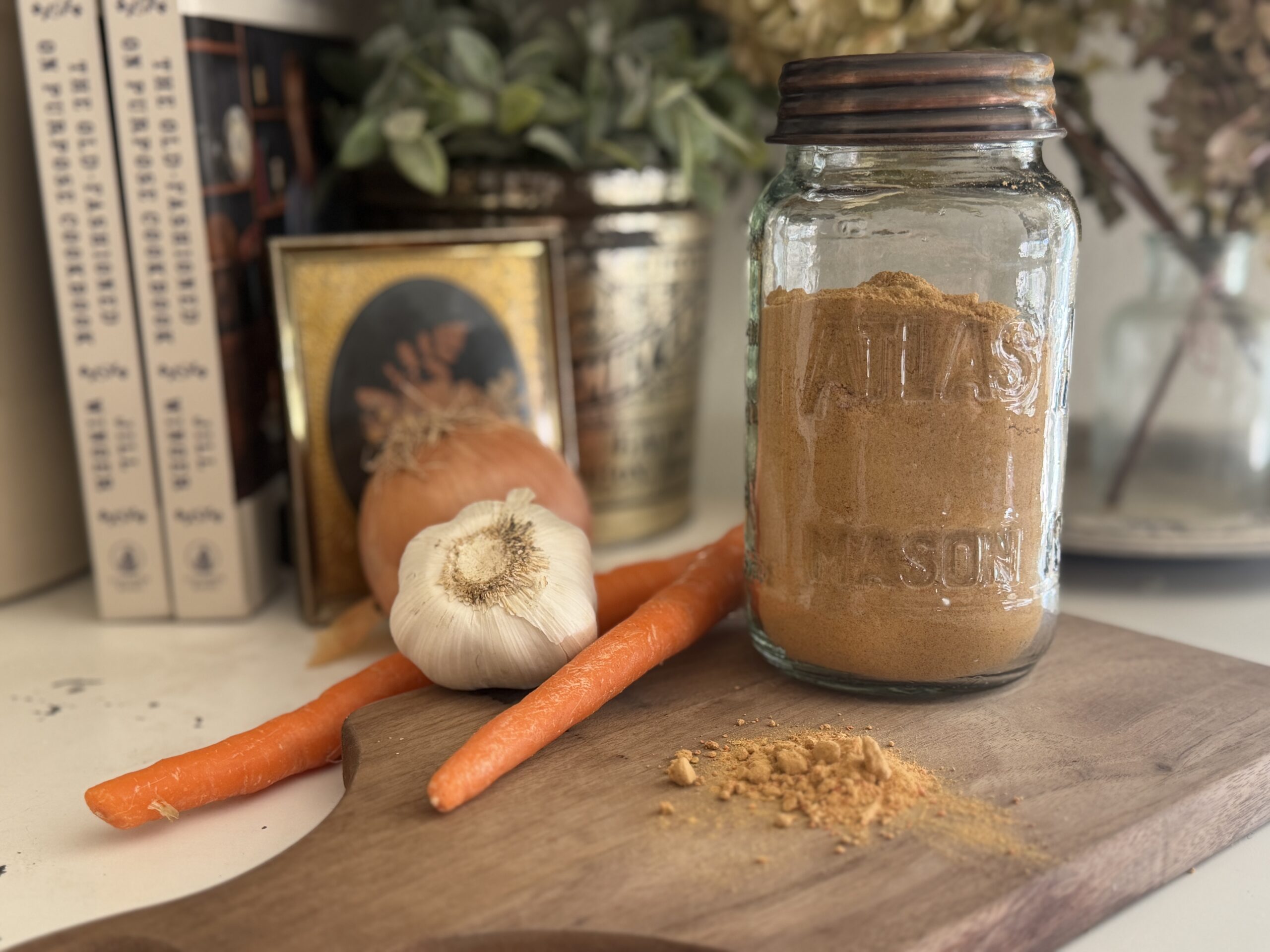
- Making homemade broth
- Baking simple breads
- Cooking with dry beans and bulk ingredients
- Learning basic food preservation
- Stretching a whole chicken into multiple meals
- Making versatile sauces and dressings
- Learning how to substitute ingredients confidently
These are the kinds of skills that give you more options in the kitchen.
And more options mean less stress when life gets busy.
Why I Wrote a Different Kind of From-Scratch Cookbook
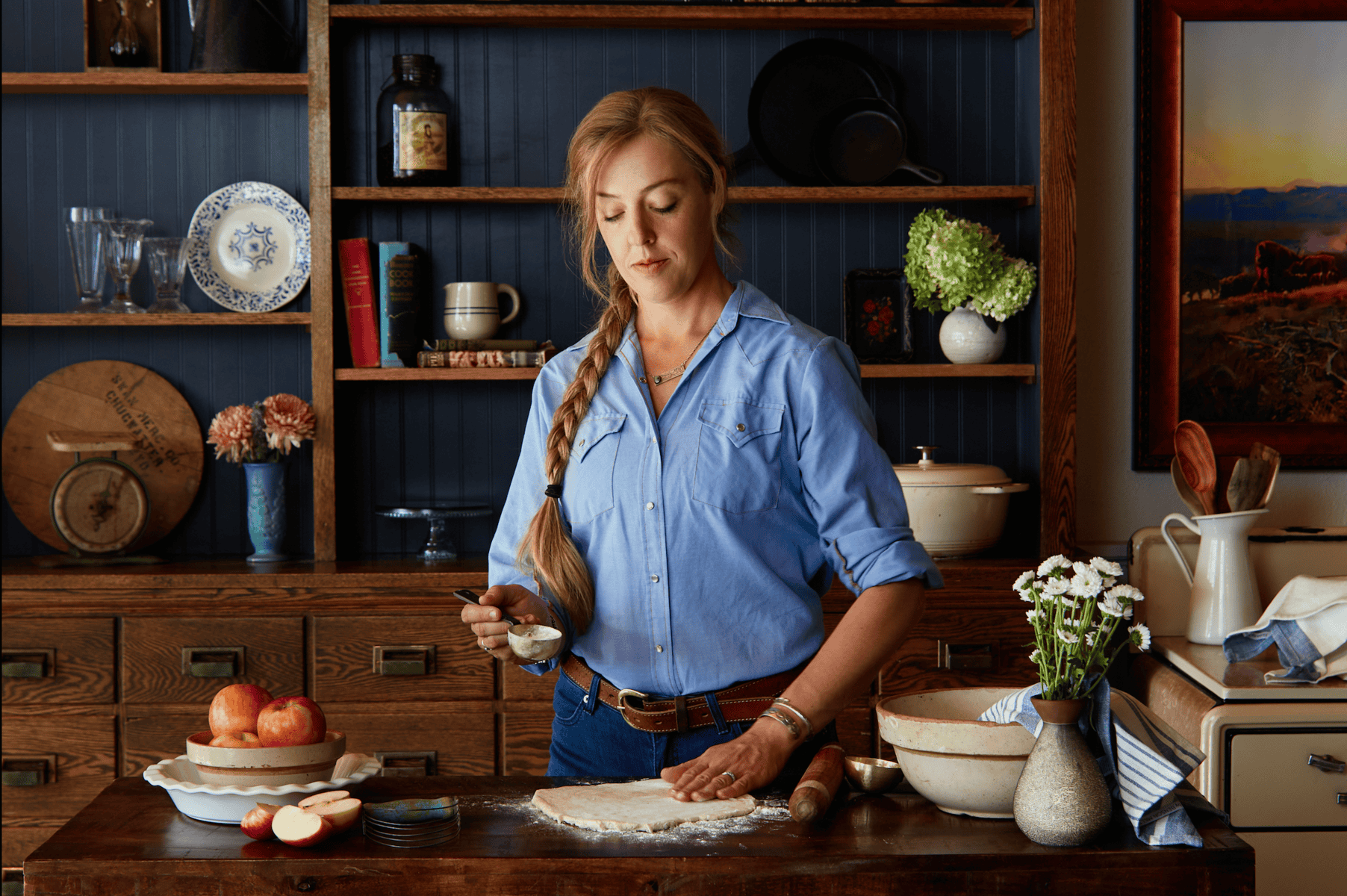
When I started writing The Old-Fashioned on Purpose Cookbook, I was adamant about one thing:
I did NOT want to create another pretty cookbook that would sit on a shelf for a few years before landing in a donation box.
Because I don’t think we need more recipes just for the sake of having more recipes.
We need recipes that solve actual kitchen problems.
So I filled this book with the kinds of things I make in my own kitchen.
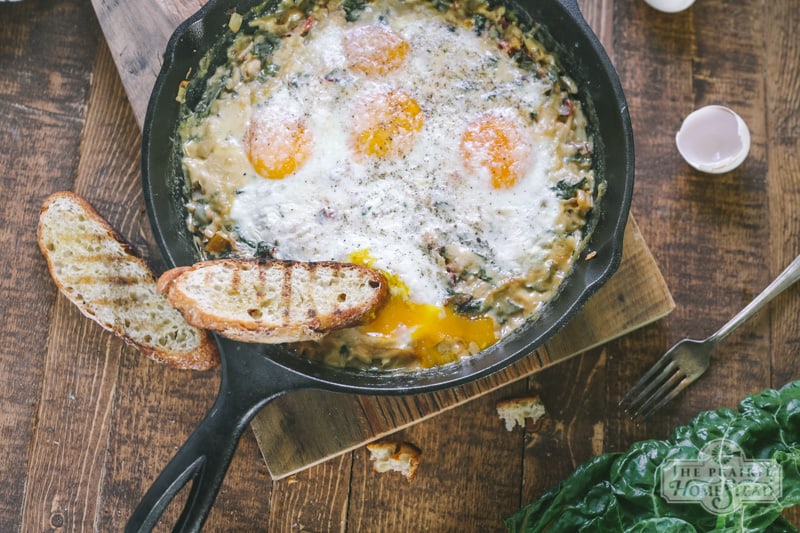
Breakfasts That Work on Busy Mornings
These are simple, non-fussy, and either quick to make or easy to prep ahead:
- Egg & Sausage Breakfast Bites
- Sourdough Breakfast Pizza
- Black Bean Breakfast Burritos
- Tomato Poached Eggs
- Sourdough Crepes
- Creamed Chard & Egg Skillet
- From-Scratch Breakfast Sandwiches
- Homestead Breakfast Bake
- Buttermilk Blueberry Buckle
- Icebox Oatmeal
- Overnight French Toast Bake
- No-Fuss Granola
- Tomato Poached Eggs
These are the kind of breakfasts that work when you’re heading out the door for school, sports, events, horse stuff, chores… or all of the above.

Main Dishes that don’t require loads of brainpower
These taste good, use familiar ingredients, and can quickly become part of your regular rotation:
- Hamburger Helper—without the box
- Cheeseburger Salad
- One-Pot Beef Stroganoff
- Slow-Cooker Taco Meat
- Hearty Ham & Kraut Bake
- Slow-Cooker Sausage & Potatoes
- Homestyle Chicken Pot Pie
- Garden Stir-Fry Framework
- Mix-and-Match Empanadas
- Supper on a Sheet Framework
- Bacon Corn Chowder
- Chicken Tortilla Soup
- Cream of Mushroom Soup
- Creamy Meatball Soup
- Versatile Meatballs
- Cheesy White Bean Skillet
- From-Scratch Chicken Nuggets (check out the recipe here)
- Salty Roast Chicken
- Shredded Beef Sandwiches
Plus several extremely flexible meal frameworks designed to help you use what you already have.

Side Dishes that make ordinary dinners feel better
- Garlic Butter Rice
- Potato Gnocchi
- Homestead Wedge Salad
- Rustic Caesar Salad
- Farmhouse Salad with Lemon Vinaigrette
- Cauliflower Gratin
- Roasted Garlic Mashed Potatoes
- Sauerkraut w/ Kimchi variation
- Slow Roasted Onions
- Honey Balsamic Brussels Sprouts
- Dutch Oven Baked Beans
- Ginger Slaw
- Simple Mexican Rice
- Melting Potatoes
- Creamy Jalapeño Corn Dip
Nothing wildly complicated. Just the kinds of things that make a basic roast chicken or grilled steak feel like an actual meal.
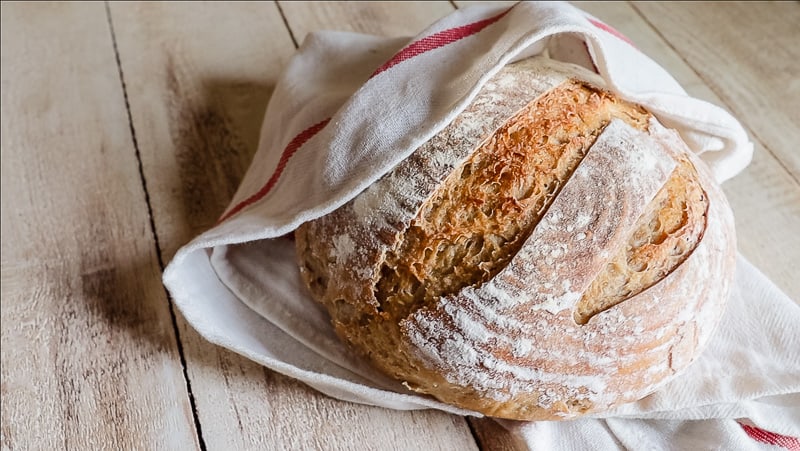
Breads for when you want the from-scratch feeling without turning it into a full-time job
- Essential Everyday Dough
- Homestyle Cinnamon Rolls
- Maple Brown Sugar Scones
- Sweet Potato Biscuits
- Homemade Corn Tortillas
- Parmesan Dinner Rolls
- Easy Sourdough Boule
- Whole Wheat Sourdough Bread
- Old-Fashioned Homestead Doughnuts
- Rustic Homemade Bagels
- English Muffins
- Soft Flatbreads
- Garlic Focaccia
They take a little more time than opening a package, obviously—but they’re approachable enough to actually make again.

Desserts that feel fancy without requiring culinary school
- Old-Fashioned Buttermilk Pie
- Peanut Butter Pie
- Cherry Pie Bars
- Cast-Iron Fruit Pizza
- Chocolate Pudding Cake
- The Best Boxless Brownies
- Brown Butter Chocolate Chip Cookies
- Orange Buttermilk Sherbet
- Maple Marshmallows
- Slow-Cooking Hot Chocolate
- Classic Milkshake
- Ice Cream Soda
- Mason Jar Panna Cotta with Berry Coulis
- Banana Sheet Cake
- Best Boxless Brownies
- Oatmeal Cream Pies
- Lemon Curd Custard
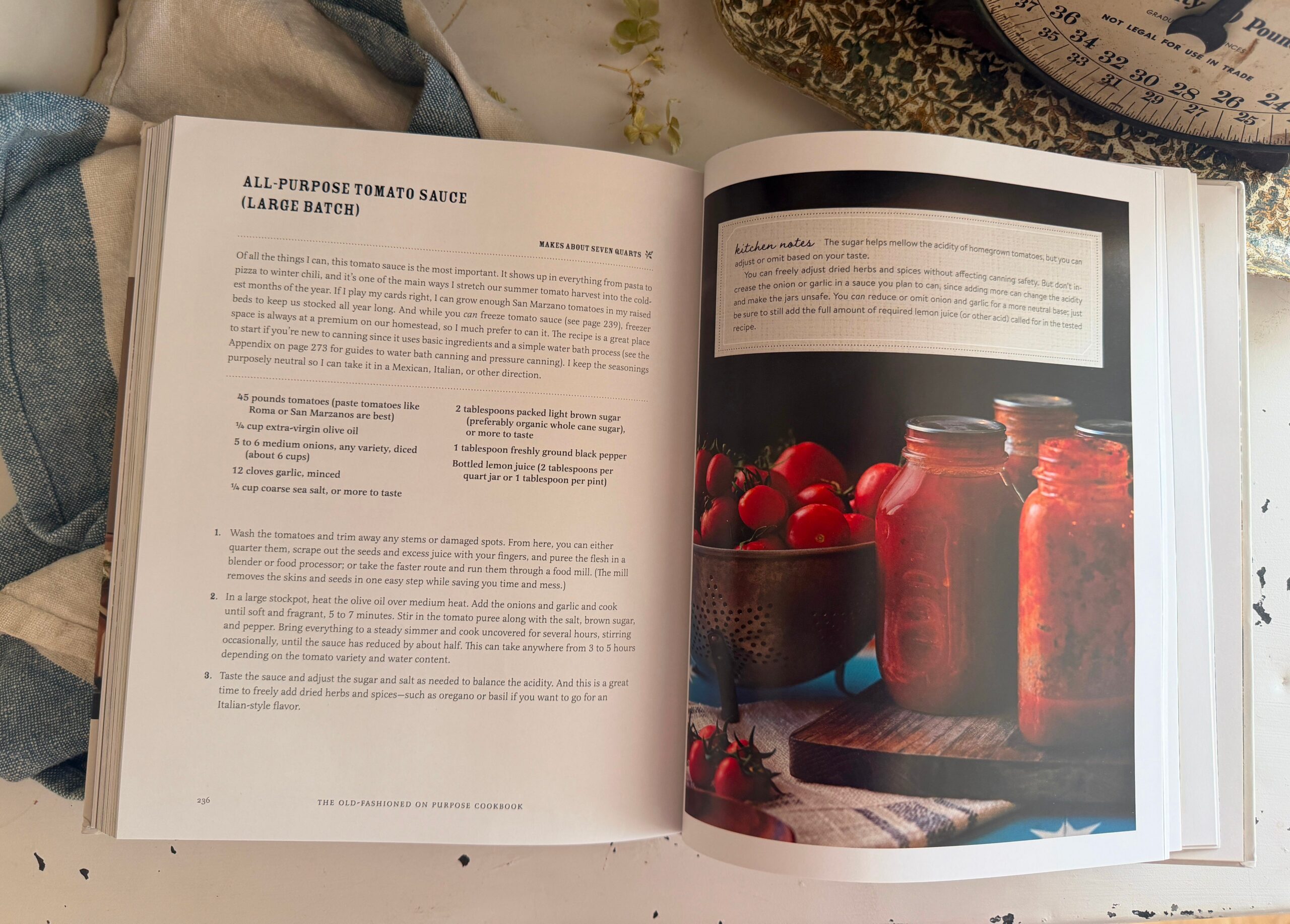
And as always, I also packed in a ridiculous number of guides and how-tos, because I want this book to teach, not just give you another list of instructions.
- How to cook the perfect fried egg
- How to make homemade mayo and aioli
- How to make homemade coffee creamer
- How to stretch a whole chicken for 3 meals
- How to cook for a crowd
- How to make all-purpose tomato sauce (canned or not)
- How to quick-pickle vegetables
- How to mill and use whole-wheat flour
- How to make sourdough for normal people
And plenty more.
Because more than anything, I wanted my cookbook to be useful, not just impressive.
I’ve already tried the ultra-hardcore version of an old-fashioned/homestead life: Cooking nearly everything from scratch. Growing it. Milking it. Canning it. Fermenting it.
And while I still love many of those things, I’ve also learned that: Capability is incredibly valuable, but exhaustion isn’t.
So no. You probably don’t need another cookbook.
But if you need easier breakfasts and dinners, fresh ideas, and a little more confidence using what you already have, this cookbook will earn its keep.
Explore The Old-Fashioned on Purpose Cookbook here.
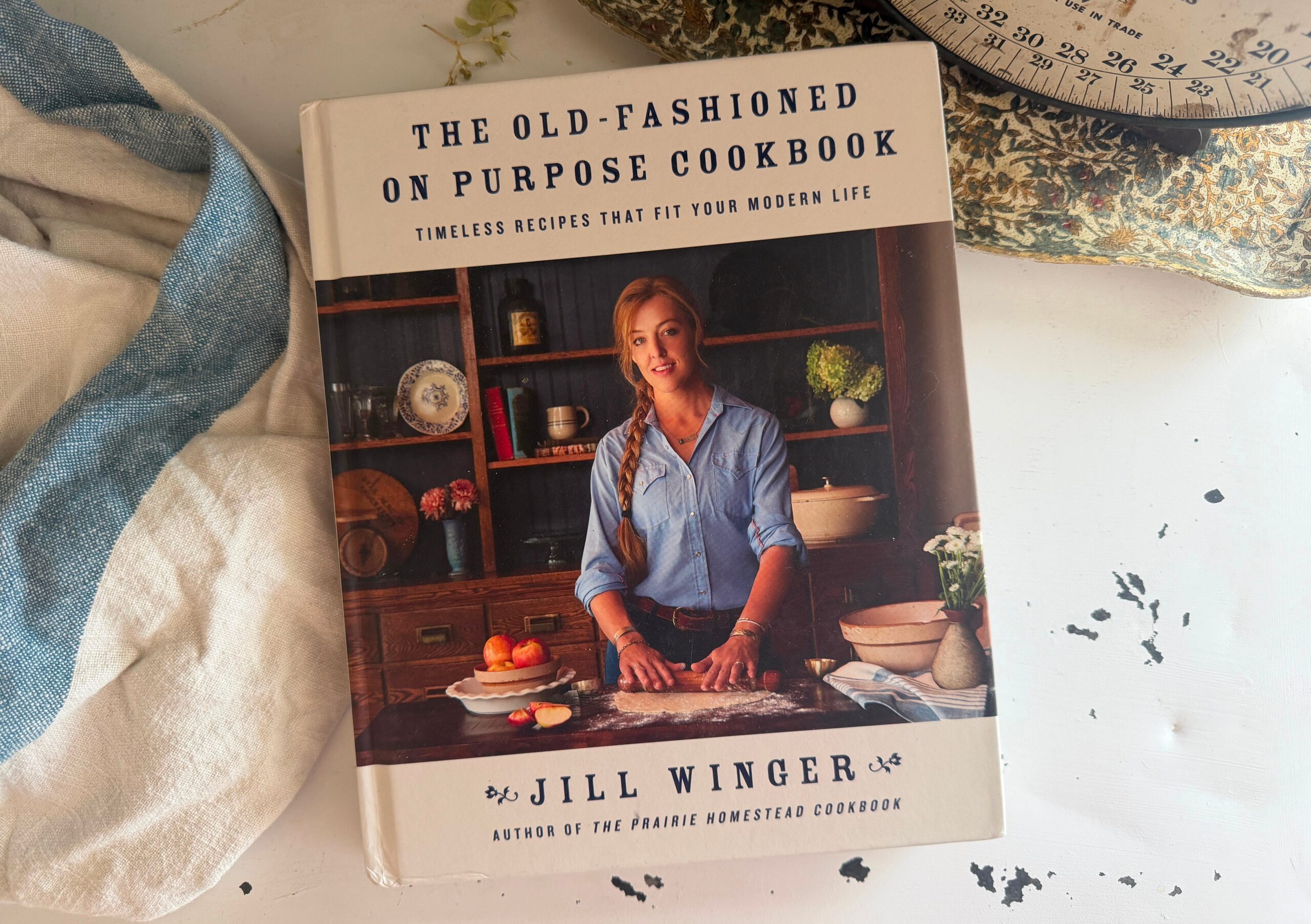
The Real Goal of Cooking From Scratch
I think we’ve made cooking from-scratch unnecessarily complicated.
Somewhere along the way, we started treating it like an all-or-nothing thing.
Either you’re milling your own flour and making homemade yogurt every week, or you’re doing it wrong.
But I’ve come to believe there’s a much better way.
Keep the skills that make your life better.
Let go of the things that don’t.
Learn to cook with what you have. Build a handful of dependable meals. Make homemade food when it makes sense, and don’t feel guilty when it doesn’t.
Because the goal isn’t to recreate a perfect old-fashioned kitchen.
It’s to create a capable, resourceful kitchen that works for the life you’re actually living.
So no. You probably don’t need another cookbook.
But you might need a better way to think about cooking.
And that’s exactly what I hope The Old-Fashioned on Purpose Cookbook helps you discover.
—Jill

Learn to Cook Like a Farmer!
Transform your kitchen into a farm style kitchen no matter where you live with my Heritage Cooking Handbook! It’s included as a part of my FREE digital homestead library.
Enter your best email for instant access! >>

Leave a Comment