Because beauty doesn’t have to be new.
I was one of those Breyer horse girls.
Surely you’ve known one. Maybe you were one.
My obsession ran deep. At my peak, I had hundreds of models. I showed them, traded them, painted them, and arranged them. It was intense, to say the least.
I was loading a beat-up old icebox into the back of my car the other day and had a déjà vu moment. There it was again: the same ridiculous thrill I used to feel when I’d find a Breyer horse at a garage sale.
Not a brand-new one in a box—those were boring. I liked the ones with scuffs or chipped ears. They were usually stuffed into a toy box with a bunch of other castaway things, but I could spot them immediately. I’d snatch them up and get the biggest thrill from cleaning them up and giving them a place of honor on my shelves.
And standing there that day, huffing and puffing with this old icebox wedged halfway into my car, I realized that part of me hadn’t disappeared.
She’d just been waiting for the right time to come back around.
I saw a post slide past my Instagram feed recently and it stopped my thumb mid-scroll.
It said, “Midlife is just coming back to who you were at sixteen and learning to love her again.”
I find a lot of truth in that… to a point.
You see, my sixteen-year-old self was wildly dogmatic, highly self-righteous, and convinced she had most things figured out. I’m not interested in ever returning to that version of myself.
But I also don’t believe that was actually my true nature—it was conditioning. The product of years spent trying to be the right sort of girl for the rigid religious environment that shaped so much of my youth.
No, the sixteen-year-old I’m talking about returning to is the girl underneath all that.
The one who loved horses since she could walk.
The one who constantly created.
The one who spent hours rearranging her room, writing stories, dreaming up little worlds, and seeing possibility in things other people overlooked.
The girl who was drawn to the old, the worn, and the forgotten.
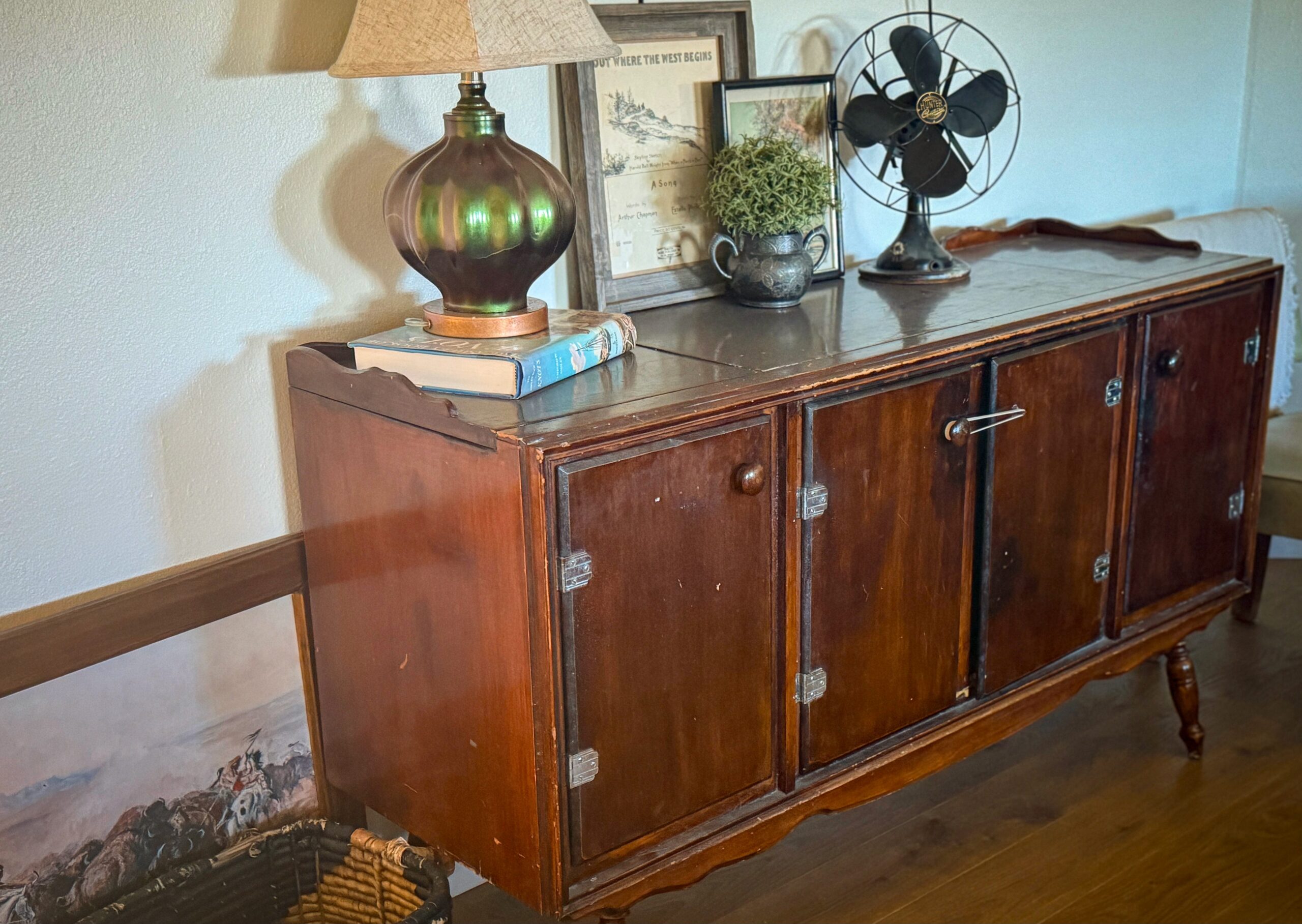
I’ve talked a lot lately about shifting identities and what it feels like to shed old versions of ourselves. But I’m realizing I never really lost myself completely. Some of the truest pieces were just buried—under expectations, obligations, and the cages we so often build for ourselves.
But they’re still there if we dig a little.
And one of those pieces for me, as silly as it sounds, is my deep love of old and well-worn things.
There are various reasons that part of me got quiet for a while, but one of them is that I thought I needed to make things look more polished and professional. Unfortunately, somewhere in the pursuit of “put together,” I drifted away from the part of me that so loved the mismatched and imperfect.
Yet, as I set up my new house, this old love is coming back with a vengeance. And it feels amazing.
I’ve dragged home more old, tattered, chipped, worn, forgotten things in the past three weeks than I have at any other time in my life. And even though I haven’t started painting or wallpapering yet, this little house of mine is taking on the coziest, most eclectic feel.
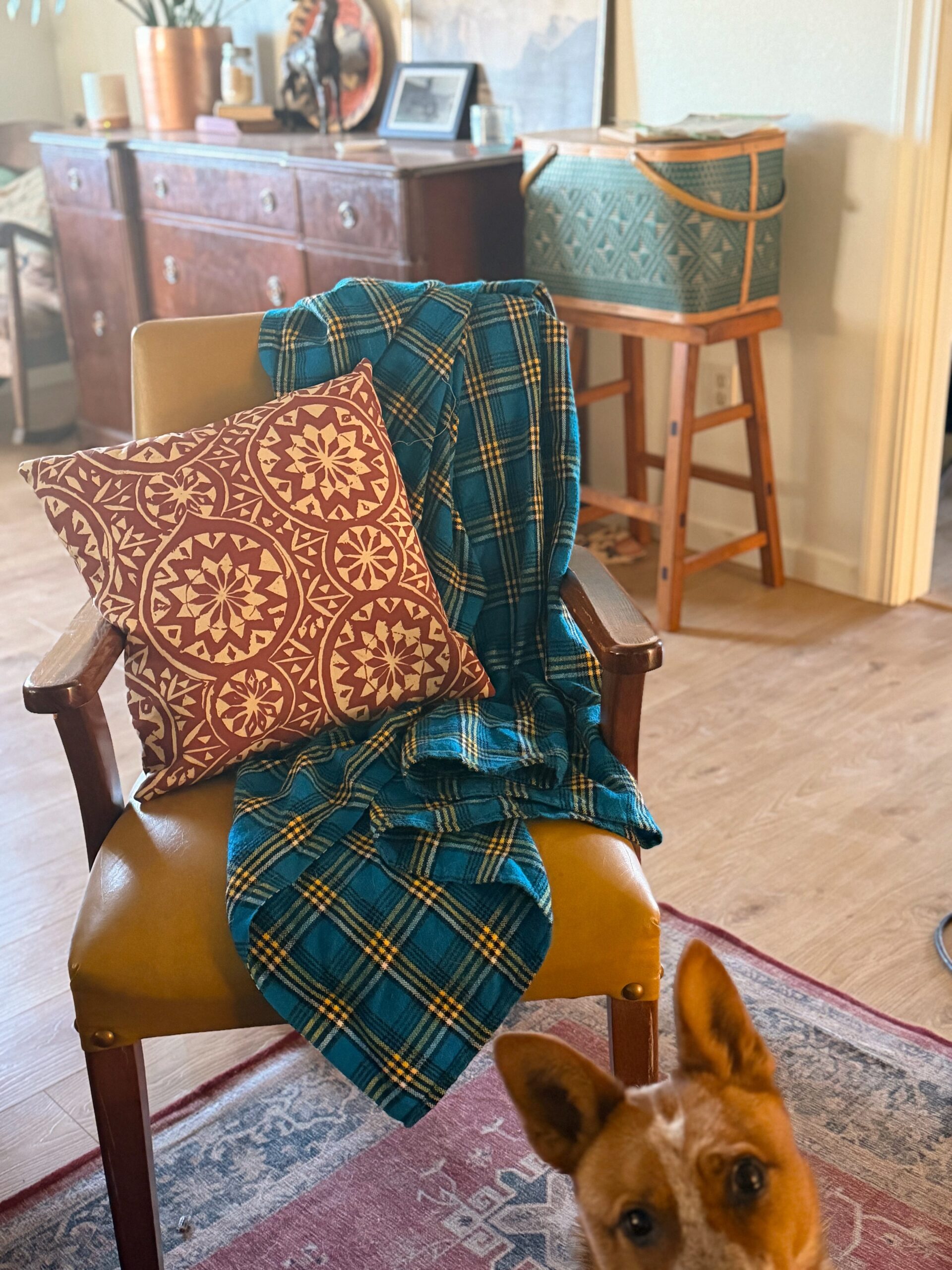
And I’m saving so much money—even on the practical, unromantic stuff. (I found a super nice garden hose for $10 last week and it made my whole day. Because I am a nerd.)
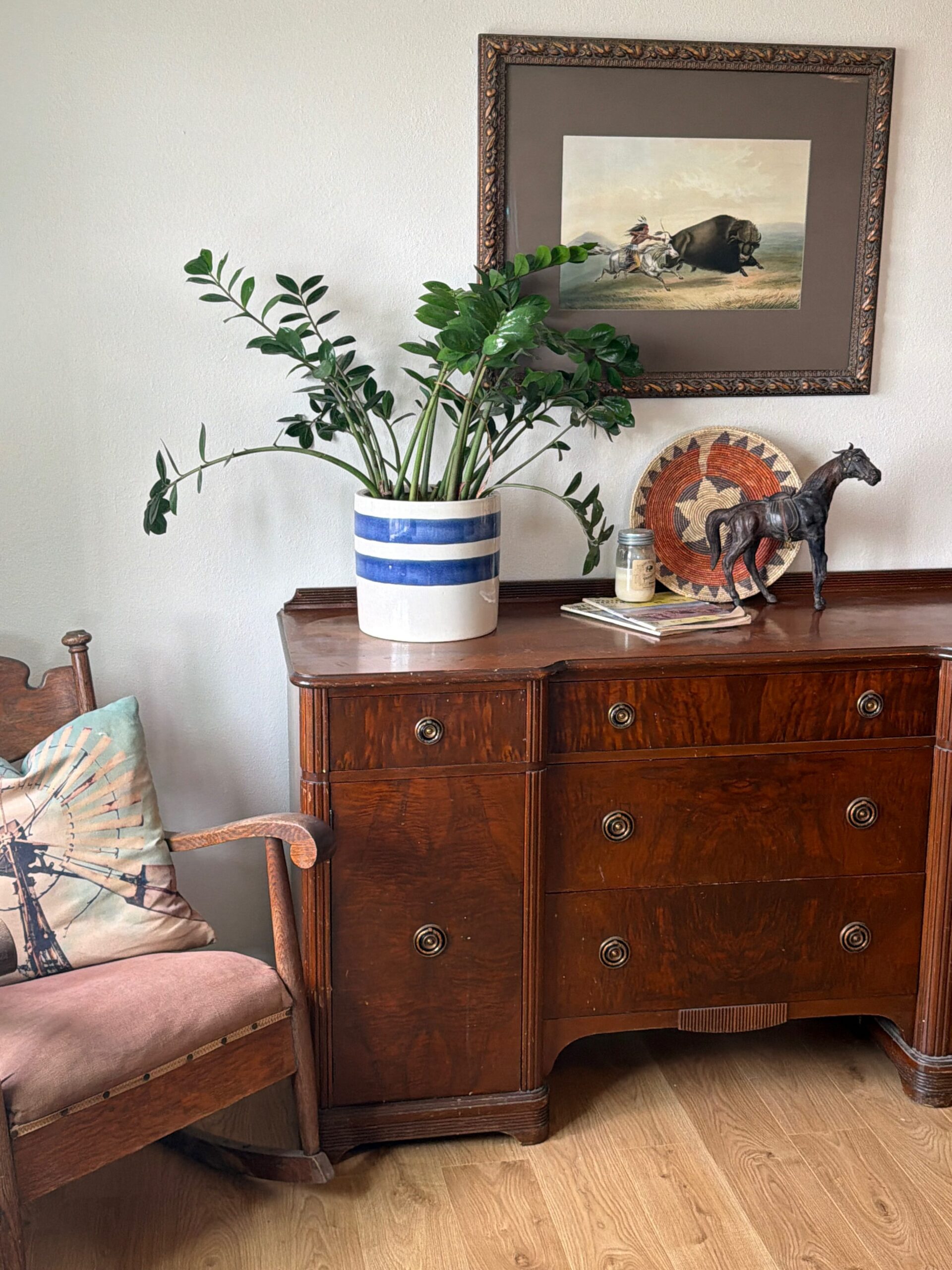
The thrill of the hunt is addicting as it was back then. But now, instead of beat up model horses, now it’s a dining room table painted an awkward baby blue that’s begging to be refinished. The world’s coolest (and heaviest) antique ice box. A nondescript lamp waiting for a coat of emerald green spray paint. An old rocking chair with a lumpy cushion that will shine after a quick fabric swap.
The possibility is thick.
If you’ve listened to my podcast for any length of time, you know railing on the Industrial Revolution is a hobby of mine… and one of the things that’s bothers me the most is how quickly we learned to treat things as disposable.
Up until recently in human history, materials were hard to come by and things took effort to make. This meant people took care of what they had and there were entire industries built around repairing things.
I think about this when I’m wandering through an antique store and see a carefully preserved china dish or an ornate hairbrush or a handmade wooden chair.
Someone held onto that for a long time on purpose.
Why?
Because it had value and meaning. Because it would have been difficult to replace.
D.H. Lawrence wrote:
“Things men have made with wakened hands, and put soft life into
are awake through years with transferred touch, and go on glowing
for long years.
And for this reason, some old things are lovely
warm still with the life of forgotten men who made them.”
That’s what I feel when I find old things. Not always, of course. Some old things are just ugly old things. But sometimes you pick something up and it still has a pulse.
Can you imagine saving a hairbrush to pass along to future generations now?
That’d be ridiculous. Because most of the modern things we own—from hairbrushes to dishwashers to couches—are designed to serve us for a short time before making their way to the landfill while we run out to buy another.
Maybe that’s why secondhand things feel so grounding to me right now. I’m craving their weight, their history, and the evidence that life happened before me and will keep happening after me.
I don’t want this new old house of mine to feel like a furniture store showroom. I want it to feel collected, layered, human. And most of all, like me.
So I’m taking my time with it and gathering slowly. Seeking out sturdy things with evidence of time and wear. Objects with a story and plenty of life left in them as they wait to be useful again.
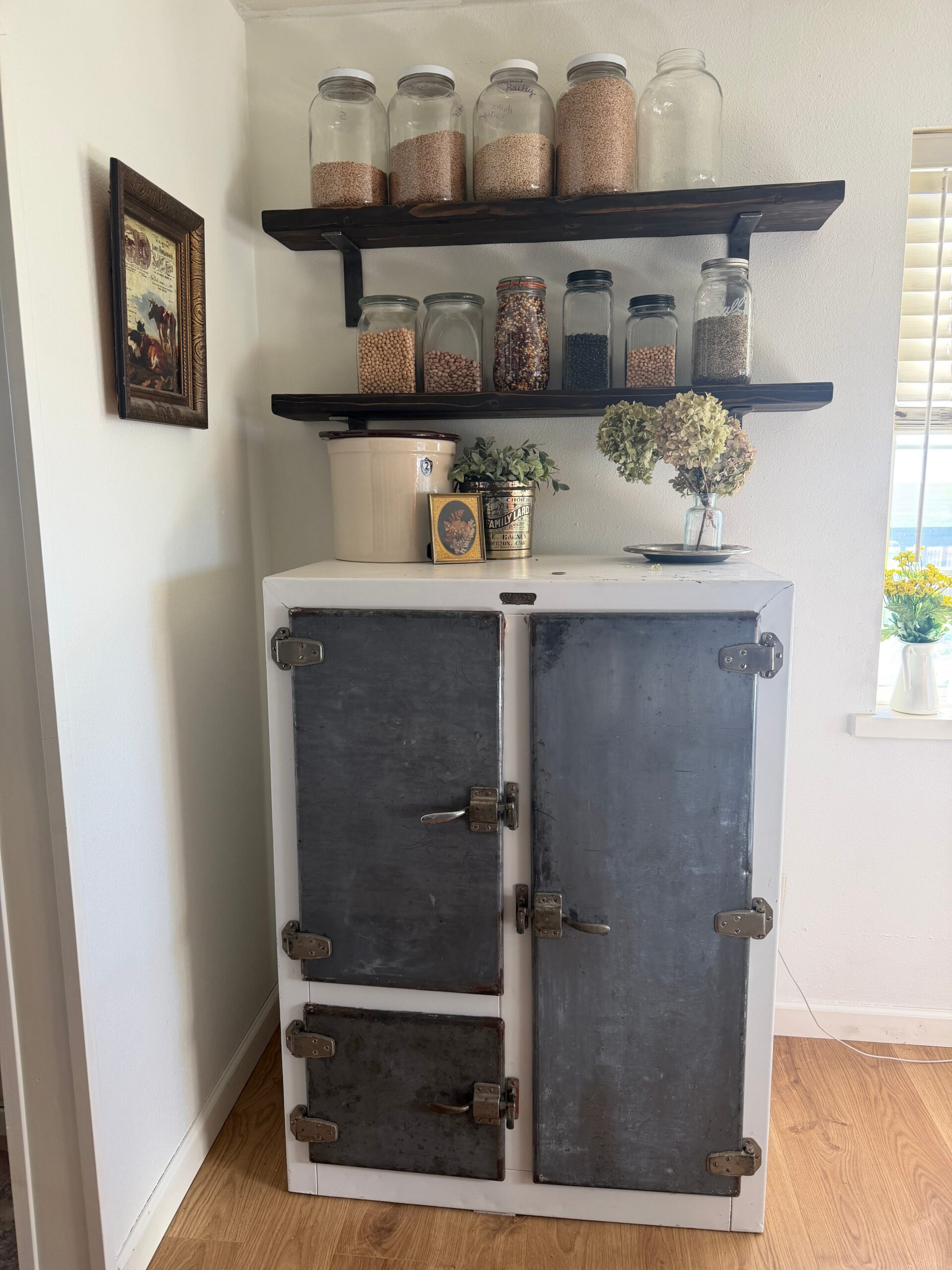
In the process, I’m coming home to a piece of me I had forgotten for a little while.
And I’m reminded that we can walk through the ruins and find bricks for a new path. (Literally, in my case—I’m picking up some old bricks from a friend next week for a garden path.)
Maybe that’s what coming back to my sixteen-year-old self really means:
Not returning to all her certainty or bringing back the self-righteousness or the narrow little boxes she thought would keep her safe.
But remembering the girl underneath.
I’m glad she’s still here.
And I think she’s going to love this house.
-Jill
P.S. Next week I’ll share a few of the more practical ways I’ve been finding my secondhand treasures, in case you’re inspired to do the same. I’m not a thrifting guru, but I have some ideas.



Leave a Comment