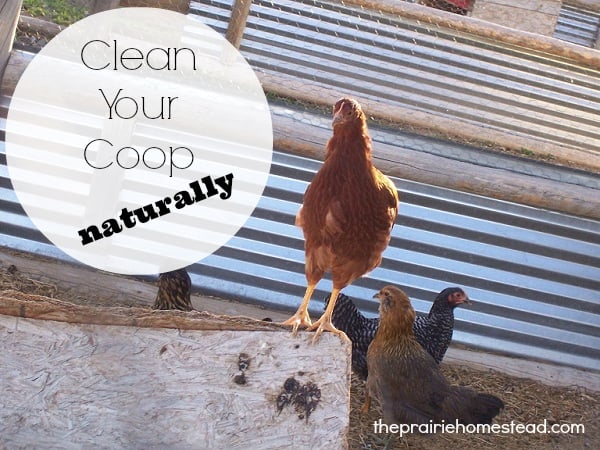
Forget the shoes…
I have a bad habit of impulse buying chickens.
Our new chicks are coming in two weeks, and I am determined to be better educated and prepared this time around. We purchased our last flock of hens and brought them home without anything being ready. And while everything worked out fine in the end, this time, I want to avoid the stress and hurry of bringing home chickens and not being fully prepared.
For the last several weeks, I have been working on preparing our coop. I want to give our new chicks the best start possible.
In doing some research, I’ve found that it is highly recommended to sanitize and disinfect your chicken coop before bringing in a new flock, especially if they are chicks. Chicks are more susceptible to diseases or bugs that your old flock may have been carrying.
UPDATE: I have to say that I’m not as “disinfectant happy” as I used to be. If you’ve been dealing with a chicken disease or illness, then by all means, disinfect that coop! But for just every-day-run-of-the-mill dirt? I’m not so sure that you need to “disinfect.” But, I’ll leave that up to you.
Even if you don’t get a new flock of birds this year, it’s a good idea to thoroughly clean out your coop on occasion. I like to do a super deep clean each spring. It just makes me feel better, so I therefore assume it makes my chickens feel better. I have no idea if that’s logical, but I’m sticking with it.
Unfortunately, many sources suggest using bleach as a disinfectant. The problem? I despise bleach. I don’t like using it around our homestead, especially when it comes in contact with our animals.
So I was excited to discover that many people suggest using vinegar as a substitute for bleach.
Yup. Plain old white vinegar.
(If you want to get extra-fancy, you could try this DIY Orange Peel Vinegar for your coop.)
How to Clean a Chicken Coop
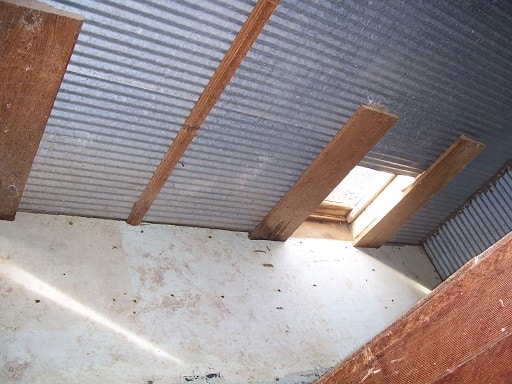

And tell your chickens, “You’re welcome!” And if you’re really nice, add some fresh herbs to their nesting boxes, and mix up my favorite chicken coop spray recipe for a sweet-smelling coop.
If it’s summer time and you’re struggling with flies in your coop, I have an entire posts devoted to my best fly control strategies for the chicken coop.




Hi! I hope someday to have chickens and I love seeing what you are doing with yours. Thanks!
They really are a lot of fun- and definitely the easiest of the homestead animals, I think! 🙂
Hey JackieMy name is John I’ve been raising chickens for sometime now have a ducks chickens and turkeys together but lately for no reason I’ve been having ones just dying off do you have any idea maybe what I’m doing wrong because it’s pretty sad after a while
I have insulation all around the inside of my coops so I just clean n wash the floors n stuff without spraying the walls with water
I brought a hen and 4 chicks with it 10 days back… Lost 2 chicks to pox ?
Others seem healthy …. Still
Generally fowl don’t die from Fowl pox aka chicken pox. I gave mine extra vitamins in the water for 1 month and all was well. You can find what fowl pox actually looks like anywhere on the web. I also sprayed their combs with a spray called Vetericyn Plus Poultry Care.
I can hardly wait to clean ours out. It is still too cold yet — but the first 70 degree day, I’m so going to clean that coop out! Thanks for the tips. 🙂
I hear ya Nancy! Usually February in Wyoming is waay too cold to wash anything down, but we’ve had some strangely warm days here. I think think we are in for one or two more blizzards, though…
I brought a hen and 4 chicks with it 10 days back… Lost 2 chicks to pox ?
Others seem healthy …. Still
I really enjoyed reading about this. I don’t have chickens here at the apartment. however, someday I’ll have a place where I can raise them 🙂 🙂 Isn’t white vinegar the best? You can clean just about everything with vinegar 😉 🙂 Enjoy the new chicks when they arrive 🙂 🙂 Love and hugs from Oregon, Heather 🙂
I know, I absolutely adore vinegar! It is the best!
I am so with you on the impulse buy. My hubby won’t let me go to the feed store by myself during chick season. I always come home with at least 2 new chicks!!
Seriously, it’s worse than all the stuff they try to tempt you with when you are standing in the check-out line at the grocery store! Fluffy chicks are incredibly tempting! 😉
This is a great post! I need to do this before chicks arrive next month and just to give the coop an overall spring cleaning. Thanks for the tips.
Hooray! Chicks everywhere! 🙂
Thanks so much for sharing this. We are about to do a big yearly clean on our coop and I did not want to use bleach. Will try the vinegar instead.
Blessings
Diane
Diane- I think you will like it- smells much better, at least. 😉
Great post. We are adding new chicks this spring as well and I was planning on doing a thourough cleaning of The Little Red Hen House… Good old fashioned vinegar sounds perfect!
Thanks!
Deb ( from the Barn Hop today) Planting Dream Seeds
Thanks for the info! We are reusing some old nesting boxes that were here when we bought the house. They haven’t been cleaned up well from when they were last used 20 years ago. The first warm day we get I’ll attack them with the vinegar.
BTW, I wouldn’t know anything about buying animals on impulse! 🙂
I really love using vinegar, too! It really is a “miracle drug”! We use it for many things at our place!
It is just about time to clean my coop also, now that the weather is more cooperative. And I will be getting a few more chicks this year, too. But I did read somewhere that it is good for chicks to be introduced to the ‘germs’ in the coop that they will be living in. They build up their immunity by cohabitating with the older chickens.(I usually introduce the older chicks in a wired off area of the hen house). But it is still great to have a nice clean coop for all the chickens! Can’t go wrong with vinegar and sunshine!
Fantastic!! I found you while doing a merry little doe-c-doe on the barn hope 🙂 I love this! We have had chickens, and all met a nasty end 🙁 but we are getting more this spring and THIS is what I have been wanting to read. I have only read, and been told of these ghastly ways to deep clean your coop, and I just haven’t been able to bring myself to do that. Thank you so much!
Looking forward to getting this done this year, things are getting pretty sour in our coop 😉 At this point we’re planning on slapping a coat of whitewash on there to help keep things fresh.
Wow – this is great and so timely! I will definitely use these methods to clean out my coop this spring before my new chicks arrive. So looking forward to not using bleach! thanks 🙂
Thank you so much for this post! I looked at our coop the other day and decided that it needed a thorough cleaning. We had over 40 chickens but got rid of them recently because we thought we would have to move. The move fell through and I am really missing my chickens! We are planning on getting 16 chicks the first part of April so it’s time for some spring cleaning in the coop! I will be following your instructions to get it clean!
I can totally understand missing your chickens- we gave our old ones away in preparation for our chicks, and it just feels like something is missing every time I go out to do chores. Have fun with your new babies!
This is a great idea, especially since those “chicken diseases” are transferred so easily.
It looks great! I really, really need to do this, just haven’t got motivated yet this spring to do so. I’m sure my chickens would appreciate it, lol!
Thank you for the tips. We had our first warm day here in Michigan–the last day of my spring break from teaching. So we hauled out the winter’s droppings and pine shavings, hosed down our 3-in-1 coop and finished the job off with the vinegar/water solution. We use sand on a stone paver floor and that too is a fresh batch. Our three ISA brown gals look confused but curious and are gradually making their way in to investigate. Thanks for the advice for us urban chick farmers. We just got our girls last summer, so this is our first spring cleaning.
Sounds like you had a very productive day! Way to go- I’m sure your chickies are lovin’ it. 😉
I can’t believe that I stumbled upon this post by accident, as just a couple of hours ago my husband and I were discussing how to disinfect the coops! Thank you for this and I will be using the vinegar method. I don’t use chemicals in the house and I really don’t want to use it around my hens or ducks.
So glad you found it in time and good luck with the spring cleaning!
Great to know! We got our first chicks ever 2 months ago, and this will definitely help out with cleaning their coop! THank you!
awesome post!!! i will have to keep this one on file. i also love the part about impulse buying chickens lol
Yes, I’m quite impulsive when it comes to farm animals… Today I went to town to pick up one free rooster, and ended up coming home with 3. Whoops.
How many chickens do you have? We have 10 Buff Orphingtons and they are two years old. We just got eight Barred Rocks this spring and have them separated at the moment. Do you know how many you can have together in the coop? I think mine is 4×8? I think we may need more nest boxes at least as there are only three. Do you let your chickens graze?
Thanks for the cleaning tips 🙂
Hi Audrey- We currently have 14 hens and 2 roosters. I’m not sure what the “rules” are for how many to have in a coop. We have 4 nesting boxes, but I’ve found they only usually use 2-3 anyway. They have their favorites.
I currently am not able to let my chickens free range, as we have chicken-killing dogs. However, it is something I REALLY hope to be able to do in the near future. Perhaps we will build a chicken tractor or something!
Thanks so much for the information. I didn’t want to use bleach, either, and hadn’t thought of the vinegar. Do you have any alternatives/suggestions, however, to taking a hose to the inside? That’s not really an option in my case (chicken coop is attached to gardening shed and has a wood floor …)
Vinegar has so many uses. Add to your rinse wash cycle as a natural fabric softener, or to your dishwasher rinse receptical, it leaves dishes crystal clear.
As for our chickens…we use the vinegar regularly. I also rcommend pine shavings. They come in big bales at your local feed and farm store. They are quite reasonable (about $6). I use the shavings in the girls laying boxes as well as the floor of their inside coop. I change the shavings about every 2 months. We have little odor, few flies and very happy chickens, including Chick Magnet our resident rooster.
Some great tips! Thanks for sharing!
Wow, we have a dirt floor in our coop. I’m not sure how to disinfect. The person we purchased our hens from used bleach, but I don’t want to do that either. We have 25 layers and get almost 2 dozen eggs a day.
Just stumbled upon your site.
Thanks for sharing!
use hydrated lime.It will keep it fresh and no flies.This is what we used and it also works in the horse stables to keep down the urine smell in the stalls.C
lean out all the wet dirt you can and put the lime there cover with the shavings and you have a fresh smelling stall.
Hi Julia.. Does the lime negatively affects the chicks or their eggs?
Just found your blog, it is beautiful, has great information and encouragement!
We have always had a dirt floor and if you have access to hay this works just fine. Throw it on the floor and it helps to compost the manure too. Sweep it out and use for mulch. In the past, we have also used cedar chips that we had sitting in the direct sun for about a year from trees that were cut down. This naturally disinfects and makes the area smell good but it MUST have sat for a lengthy period of time because of its potency.
I am all for dirt floors too, especially since the deep litter method saves a lot of time and effort, plus the chooks get to scratch all they want. Question for Emily though: I have read somewhere that aromatic wood like cedar is not really recommended for bedding down, something about the fumes being harmful to the chooks’ respiratory systems or something. Cedar chips is actually a more practical option, since I could probably get it for free, as opposed to having to buy hay bales. How long have you been using cedar? Any problems so far? TIA
yep…. this is what I do…. and it has seemed to work wonders….. but I have found with a small coop, it might be a good idea to do it every 6 months……
You might want to consider whitewashing the inside of the henhouse. http://fiascofarm.com/recipes/whitewash.html
We built our henhouse out of poultry wire covered hoops, so its a long round topped building with a plastic & shade cloth roof over 2/3 of the building….no walls to paint.
I pile small square bales of hay around 2 sides in the wintertime and leave it completely open in the summer for summer breezes and they do GREAT. The floor of the hen house is dirt, heavily sprinkled with DE and then covered with about 2 FEET DEEP hay. I rake it out 2-3 a YEAR and it works great…no smell, no bugs.
Thanks for the tips! I will have to look into the whitewashing.
Silly question, where do you put your chickens, while doing this cleaning?
I usually just lock them outside in their run. If you don’t have a run, though, I guess maybe you could lock them in a pet carrier perhaps?
We are going to receive a chinese goose and would like to add him/her to our five chickens and one turkey gang. From everyone we have asked, it would appear they will get along ok. Do you have any do’s and don’t concering the our future addition?
Hi Ronald,
I’ve yet to integrate any other bird species into our chickens, so I can’t give you any tips for sure… Good luck!
Thanks so much for your great information and your bright spirit! We need to do a lot of work on our chicken coop — your cleaning techniques are just what I needed.
My quetion is about milking goats. We’ve recently obtained our first goats and my husband has been quite deligent in preparing their “home” and getting really good feed. However, we’re not being very successful in milking. Could resistance to milking be an indication of cystitus (sp?) or something like that? Also, how high is your feed bucket from the platform of your milking stand? I think ours is too low.
Many thanks!
Roselyn- yes, sometimes mastitis (infection of the udder) can cause the animal to be sore and grouchy about milking. However- it is more likely that your goats are just being difficult. 😉 It takes some time to get them used to milking. And sometimes they like to give a person a bit of a challenge. Keep working on it and I bet you’ll have success.
I’d have to go outside to measure, but the grain bucket is probably several feet from the stand’s platform. Probably just a little higher than chest height for the goats.
I love using white vinegar to clean almost anything.I always put hay on the clean floor so the manure wouldn’t stick to it.It also allow’s the air to circulate under the hay.If a dirt floor is used i put dehydrated lime on it to keep it smelling fresh.It also keeps down the flies.If you ever have a chicken get sickly with manure sticking to it’s feathers, feed it raw hamburger meat.A ball the size of a walnut would be enough.Do this two days and it will be fine.Also put wood ashes in its bathing areas to kill lice.Just a few hints i used in my chicken raising. Thanks!
I think this is hydrated lime not dehydrated.Sorry!
I use a deep litter system for my birds. Once a week, I scatter some lime on the floor and fluff up the straw bedding and then add a fresh layer of straw. In spring, I remove about 75% of the straw and start over from that. I still use vinegar for everything else, but this is just to maintain the floor of the coop. Google deep litter management system to find out the details. It’s A LOT easier!
Yes, I started using the deep litter method this spring as well. Definitely easier! And a lot less work too. I still like to do a spring cleaning with vinegar every so often, though.
I’ve read that people have maintained this kind of system for over 7 years without a total clean out of the floor. It’s believed that doing so, kills beneficial bacteria that keep the system going. Hence, the reserve of 25-30% of the original bottom material in the spring.
Getting cold now up in Canada, and learned the hardy breeds don’t need insulation or heat lamp, unless it dips to -20 C. Why waste electricity if you don’t have to? Biggest challenge is keeping waterers from freezing. Anyone got ideas? BTW, LOVE your site! There’s so much to learn and I am enjoying this journey with everyone here!
We have 2 hens (gave 6 away and the 4 we had left ended up being half and half) and will be adding more in the spring.
Any suggestions on adding to the flock?
Dear Jill,
I have just found your blog and I really really love it!
I live in Italy, in a little mountain village, in my grandpèarents’ home that we recently restored.
We (my hubby, my baby and me), have a small organic farm (where we grow organic vegetable and fruit ) and chicks, rabbits, gooses…. we love them!
Our goal is self sufficiency and we are working hard to get to it!
I will keep your blog between my “Farm life” bloglist!
Thanks for all the tips
Fra
So happy to have an international reader along for the ride! It sounds like you have a lovely home- hope to continue to see you around the blog! 😉
THANK YOU for this article! We’ll soon be moving to a rental property that already has a chicken coop and barn. We are just starting our homesteading venture, and I needed to know how to thoroughly clean that coop! The bleach idea made me incredibly nervous. I already clean my home with vinegar and tea tree oil; I don’t know why it didn’t occur to me that it may work in the coop as well. Thank you again!
You are very welcome Renee! Congrats on starting your homesteading journey! It’s a lot of work, but so incredibly rewarding. 🙂
Just a little caution about tea tree oil: it’s toxic to cats. Not that your cats go in the coop. Or mine. Ever. To look. Or catch mice. Or suck eggs.
Hmmm… I didn’t know that! Thanks for the info. My cats don’t go in the coop either, but it’s good to know for other applications.
I haven’t used vinegar on my coop before. It is nearly due for a good spring clean so I will try your method. I like the idea of a square ended shovel too – I was using a scrubbing brush and the shovel will be much less messy.
Oh yes- a square shovel is my best friend when I’m working on my coop! Happy spring cleaning!
I’ve heard of Thieves Essential Oil- wonder if it’s related?
Your blend sounds fascinating- I’m definitely going to go see if I can find a recipe!
I’m thinking of whitewashing the interior of my coop and using tung oil on the perches.
Hi, I found your post on Pinterest. I love your tips, and I can’t wait for things to warm up enough around here to give our coop a serious cleaning before we add new chicks in a month or so. I haven’t used any substances to clean it yet, but I am definitely going to be adding vinegar and tea tree to the routine, now! I mean, seriously, I use them on everything else, it seems like it should have been obvious. 🙂
There was one thing I found absent, however, and wanted to see if you might consider adding it on. I do realize this is an older post, but this is important and many people do not know about it.
There is a fungus in every chicken area, especially in the litter. If you don’t wear a mask anytime you stir up shavings or clean up poop you can inhale these fungus spores into your lungs and contract Histoplasmosis. This can make you very sick and if your immune system is weak it can cause major damage to organs like lungs, liver, etc.
It is very important to wear a simple, cheap, micro-pore dust mask whenever you are cleaning your coop. At the very least, dampen the area before stirring anything up to prevent most of the dust rising into the air. It may seem a bit silly, but it is also a very easy thing to do to prevent what can be a very serious illness. Even a mild case can later cause a serious eye disease resulting in vision loss.
Here is a good site on Histoplasmosis: http://www.ncbi.nlm.nih.gov/pubmedhealth/PMH0002073/
Hi Juise,
I wasn’t aware of this- thanks for the info! I will look into this some more and update the post with the warning. Thanks!
I need to do this in a few weeks!! Not looking forward to it, but your clean coop is inspiring!
Oxine is a product I had never heard of before having chickens. But when my sister’s flock developed blindness and respiratory issues, and three of her family members developed a form of Pink Eye at the same time. ..we all took note of a product sold at the local coop. Oxine does not have to be activated to be effective and the non-activated chemical has shown no health problems to animals or humans. It must come in contact with whatever it is to destroy; therefore, you delute it to 200 ppm or about 1/8th tsp per gallon of water in a spray bottle. In laboratory tests it is effective for 222 bacteria, virus and fungal applications. When I spray it in the laying boxes, coop and run; there is no more smell (bacteria creates the “barn yard” stink). Flies leave because they are no longer attracted to bacteria because it is neutralized (so less fly larva in the coop and less flies this summer). I purchased mine for about $24 a gallon plus shipping on line. I am a herbologist; but for the price, the effectiveness, the results. . .I’m choosing Oxine over my herbs this time. And for those who criticize the decision, please consider that 1/2 acre permaculture is not natural in the first place. When we homestead in small spaces, we must go the extra mile for sanitation, and we sacrifice purity. Again, I can find little to no information that leads me to believe that Oxine is dangerous when used as indicated. Just another idea to add to your arsinal of defense. BTW my sister had to destroy 18 birds before finding Oxine. . .the second set of hens that developed the same issues totally recovered in 2 days.
I have recently discovered unactivated oxine for my flock, and adding a1/8 t to a gallon of water has improved ‘droopy’ hens, and putting it in a humidifyer has cleared up some respriatory problems too- much preferable to bleach- i love the vinegar idea-
I also use white vinegar to clean my coop as well as an orange peel cleaner. I woundn’t use Oxine. Not necessarily in my opinion. For respiratory issues I choose to use VetRx which is all natural and works wonders! I agree that a clean environment and responsible flock management goes a long way.
Lisa
FreshEggsDaily
http://www.fresh-eggs-daily.com
sounds like someone owns stock…
Really, Sherona? I own chickens–not stocks. I name them. I adore having them around. I thought I was like the people on this page—-excited to share what has helped me and my family keep these wonderful creatures alive and healthy. I tried to explain my process in the best way possible to help people. It took me an hour to compile my thoughts into the comment you ripped with only five ignorant words. I looked up the web page and read the container label so I’d “say” it just right. I don’t own stocks in anything; just making it from one day to the next, trying to remain positive and think the best of folks.
Very diplomatically spoken????. Thank you for your knowledgeable info since hubby and I are first timers with chickens. All the do’s and don’t are very overwhelming and your info will come in handy later down the road of experience. Please enjoy your day to day as we do.
besides bleach is salt divided by electricity and recombined, caustic soda which is a alkaline jelly and chlorine or bleach, which occurs naturally in the body, really not that bad, wouldn’t drink it but you get the drift!!!
Cool, might do this before we get all our new chickies this Spring. And PS., I impulse buy diapers (cloth). Lol!
This is so helpful! Thank you….
I bought 3 chickens last year on a whim from craigslist and was a little unprepared. Wasn’t to sure about these Casper winters but they are doing good and we are adding 2 chicks soon….can’t wait to give the chicken coop a good cleaning!
Poultry industry are really been into trouble since there have been so much issue about chickens and other poultry products. This may have something to do with certain cleanliness and disinfecting the place that is why it’s been causing too much trouble. I don’t have so much idea about cleaning a poultry but I was just thinking that home remedy disinfectant may worked on it since chemicals can also be a risk over chickens.
Gosh I have been cleaning my coop out every week. lol Once a year would be great!
Stephanie! I’ve been cleaning mine out EVERY OTHER DAY! Ha!
I can’t imagine once a year! My sweet girls (4 Guinea Fowls, 3 Americaunas, and 1 Sex-link would go into SHOCK!
Used to White vinegar and was well shocked at the results. The Coop looked better than new. Just struggling with my evening visitor (rat) at the moment. Would welcome any ideas of how to kill him safely without hurting kids or chucks.
I have a neighbor that will put out a four foot x three inch piece of water pipe with a cement block or rock laid across it and slide a packet of rat poison to the middle of it. That way the mice/rats can get it but not the chickens. I have a hole in my coop wall that is closed off from my chickens and other pets and I just drop the poison in there.
After 30 yrs. with no chickens we finally have a house full of hens + a few roosters in the mix.
30 yrs ago we used a barnyard solution which is basically if I remember correctly a coal- tar oil solution in water. Never thought of vinegar then but makes sense since we are using it for other chores. Thanks for the tip! Our girls were 4 weeks old when we threw them into the old coop.
Chicken yard is next then while they are outside finish refurbishing.
What a great site. I learned more from you than all the books I bought! Thanks for the info.
“Yes, some girls might impulse buy shoes, but I impulse bought chickens!” LOL!!! I did the same thing, only my “hobby” started with a drink and a duck! Now I still have my one duck and 60 chickens. I’m glad I found your site. Good info.
Blessings!
How crazy timely! I just got home from a work trip and decided to tackle the delinquent coop on my property! Cut holes in the walls for windows and everything! Since we don’t really have a winter I am only limited on starting my new flock by my travel schedule, but looking forward to the ladies. Thanks for the great tips!!
I always use Vinegar as Chemicals does cause respiratory troubles in all birds.
Great tips! I always added a step and “white washed” all the nest boxes and perches with a mixture of water and Diatomaceous Earth as we had a lot of mites and other nasties in Austin. For our next flock, we’re planning on pasturing them with tractors (we had a tractor in Austin, as well) so that we’ll skip most of the messy ‘coop’ concept.
I had a chook turn up at our house a month ago and today is the day I am adding to the brood. I think we are prepared but I guess I won’t know until I get them.
Great post
HI! This is so nice to have stumbled onto this site! I have noticed not to much happening with the site since March 12, 2012! Thats not good! I have a question & I hope someone out there knows the answere! I have mice in my chicken coop!! HELP!!!! I want them gone without hurting my chickens! I do not keep food in the coop at night so I know I can rule that out! Any ideas??
Thank you!!
bree
Oh, sorry I misspoke! I do see July 27th, 2012 was the last post!!
Sorry! Just really want to know how to deal with the mice without hurting the chickens & turkeys!!
Thank you!
bree
I am new to this and I have five chickens. They are doing well but I have been cleaning the floor of the coop every day as part of my chores. I don’t have anything on the floor but do have straw in the nesting boxes. What should I (if anything) put on the floor?
Hi Linda- you can put straw or shavings on the floor if you wish. You might try Googling the “deep litter method” of chicken keeping. It’s a little less maintenance than cleaning the coop every day and makes good compost!
Have you tried sand? it’s easy to clean & dries quickly. Not play sand but the construction grade sand that’s silicate free. River sand is good too. That is what we will be using.
I love this post! I use the vinegar/water & Tea Tree Oil mix to disinfect my home, never thought of using it for our coop! There is only one thing I will do in addition.. After everything is Dry, I will sprinkle Diatomaceous Earth around in order to help keep the pests out 😉 Thank you for sharing!
Yes– I use DE sometimes too– good stuff!
We are getting ready to get 3 new chickens, and we’ll be using your method along with our trusty little pressure washer to clean our coop before the girls arrive. ;).
Thank you so much for sharing
Yes– I used my pressure washer last year, too. Love it!
Vinegar & Tea Tree Oil are inconvenient for bacteria & fungi, but in all honesty, they won’t sanitize the coop. I love your idea of doing this naturally, don’t get me wrong. But facts are facts: only bleach will actually kill off the viruses, bacterial spores, dormant parasites, etc. Doing it naturally means exposing baby birds to pathogens. Maybe this is okay, but please know that this is what you are doing. I’m no fan of bleach, but it will easily dissipate outdoors if given a few days.
Just FYI to everyone, tea tree oil is toxic to cats.
As a kid, I always used a garden hoe to clean the chicken coop once a week (we generally had 50 chickens or more), but getting back into it, I want to build a coop with wire flooring and then sheets of an easily cleaned material (like metal siding, cut to fit ) an inch or so beneath it. Similar to a bird cage, but a better mesh for chickens… That way I can just slide out the sheets and clean them out of the chicken coop (I don’t know if you have ever had roosters, but we had one in particular that didn’t like people and attacked me multiple times)…hoping to make it a little easier than it was as a kid…and of course nesting boxes. I love the vinegar idea, I hate using bleach in my house, love using vinegar, I think it would be great to use it for cleaning and disinfecting a chicken coop!
I think the sheet/wire idea sounds splendid!
We have had chickens for years. Last year we got rid of our flock and now we have a new batch of chickies in a nice little brooder. I’m just about ready to clean my coop so I really appreciate this article.
We have aggressive dogs as well, so this year we are fencing off quite a large area for our birds to forage and we are turning it into a chicken garden. I don’t want to feed my chickens commercial feed so we will be planting several different kinds of fruiting bushes and trees in the chicken garden, just for them. We are also going to try fodder this year, plus I have a meal worm farm going. If i feed them any feed at all it will be homemade. There are several good recipes on Pinterest. I’m very excited to see if we can actually avoid commercial feed altogether!
Good plan of action here! The only thing I do different is to spray down the dust before cleaning the coop. I have asthma and don’t take dust very well and I’ve heard for years that dry chicken litter is detrimental to a person’s health while wet litter is detrimental to a chickens health so make sure you clean early in the day on a nice day and leave the coop open to air dry throughout the day. Your peeps and cluckers will thank you!!
Yes, that’s a good idea– the dust bugs me too!
Hi,, I purchased 3 fertilised bantem eggs and they have been in the incubator for nearly 2 weeks. now it seems one of my large fowl hens appears to be broody.
. If she is broody can I safely put the bantem eggs under her to hatch or will they be too small for her. Would appreciate your views.
Paulinei
Hi Pauline,
Sadly, I don’t have much experience with incubating eggs (or bantams, for that matter) However, in my limited knowledge, I can’t see it being a problem. 🙂
I have chickens and have started splashing a bit of vinegar around and hosing out the coop every week when I clean out the shavings and other things. This is my first flock. I got my chicks last March. They started laying in July and I’m getting an egg a day from them. I know that will drop off a bit when winter hits. They are fairly low work, but great reward. I spend about $45 a month on feed and they help me make use of all the veg, fruit and bread that goes bad or is waist in my house. I do treat them with a daily pan of sunflower seeds. I buy them in bulk from a grocery warehouse store for $1.62 a pound. I got them to provide my family with healthier eggs. Now I can’t imagine our life or kitchen without them!!!
They are kinda addicting, huh? 🙂
Thank you for this wonderful tip on cleaning up your chicken coop. I will have to try myself how effective is this natural vinegar to removing odor in the coop. I would like to suggest also this tip from chickenchick.com about the use of natural herbs to freshen up the coop, and what makes it even more attractive is that these herbs acts as insecticides/ insect repellants too. Here is the link to the DIY instruction on how to create this herbal fusion http://www.the-chicken-chick.com/2013/04/herbal-pest-contol-spruce-coop-herbal.html.
Love the herb idea!!
Thanks for the tips. It would have been nice to see before pictures of the coop. It looks too squeaky clean to believe it was that dirty. Lol
All these tips sound great. Always room for more information . I hope to improve my flock by spring. Still learning on processing chickens. I’m remolding the coop now as the budget lets me. My next thing to get is better nesting box. Seems that my chickens are laying their eggs everywhere. I let them range free during the day and at night they get locked up for safety reason. Hope that the new
box will bring them back to the coop to lay?????
we 4 chickens, the run has got very wet and muddy these past weeks i do have a cover over the run will it hurt them in any way, they do bring into the coup tots of mud, i clean it out every 2 days or so.I put hay in the coup olso. Is there any problem with what i do. martyn england.
Although vinegar mixes leave the coop really clean, I didn’t like the smell of vinegar that seemed to linger. After a brief search, I discovered a vodka-based recipe that I decided to try. I use the cheapest vodka I can buy and add a slice of lemon, a cinnamon stick and a couple drops of vanilla. The vodka kills almost anything and evaporates pretty quickly. The other ingredients are supposed to help repel insects; all I know is that it smells wonderful! I mix it up a day or two before I plan to clean; the fragrance is even better if it sits. My “girls” are happy and healthy, and the coop stays smelling fresh for weeks; I’ve also found that adding some sprigs of mint, lemon balm, and citronella geranium under the hay in the nesting boxes keeps them mite-free and adds to the fresh smell.
Hi Thanks for the tips, I am getting my first batch of eggs next week. I actually am building a new coop but my 6 girls I got last year are getting a new man in their life. So I’ll clean their coop (smaller) before he arrives.
Love the tip about the melaleuca essential oil, I’m going to check this out!!!
I would love to see your coop. I have been looking for ideas on how to build and new one. I like the way the inside looks in the pictures you posed but would love to see the full coop.
Love your information and coop. As a thought, you might use an inexpensive laminate floor and staple it down for easier cleaning inside the coop. ~Cheers
Because we do a complete clean (rake out all the straw, re-apply a bit of lime and reline with straw at least once a month, we don’t have any cleaning issues. Keeping a lawn rake handy makes for easy clean up in the coop area. Once very two days we only have to shovel fulls. We have 13 hens and one rooster.
For us, ten minutes spread out per day makes it easy to keep chickens. Wish we hadn’t put it off for so long thinking it was so difficult.
For those who choose bleach. Just to let people know that you should completely clean out the coop of all poop and hose it down with water before you use bleach. Have it well ventilated while you use the bleach. Remember poop is made up of ammonia. Ammonia and bleach together produce toxic vapors!
Great tips! I was wondering what I should clean everything out with. We are about to get a new coop! We have been using a makeshift coop, and I will be glad to have real doors! I know all about not being prepared when the birds arrive. We had a guy give us some birds because he didn’t want them anymore. I am going to check out your chicken coop spray too. Thanks so much!
We’ve kept chickens for years, for eggs, not meat. We’re down to 6 from 18 or so a couple of years ago – so never a very large flock. I’ve always washed the eggs and haven’t had a problem. When cleaning the coop, I shovel the do-do and old straw out and scrape the corners well. The old straw is carted away to the compost pile. I (liberally) sprinkle diatomaceous earth on the floor, then again on top of the new straw (not so liberally.) It’s kept our chickens pest free and healthy, never had any problems. Vinegar is a great idea, but it seems like more work than necessary. I clean at least every two months.
Enjoy your blog! Lots of interesting articles and ideas.
Thank you so much for sharing such an important article.
As most important thing while keeping Animals at home is cleaning their poop from their leaving surroundings.
Cleaning Makes place hygiene, Chickens Feather are having most of the bacteria.
One should clean this type of bacteria by the help of machines or manually.
Many thanks for sharing such important article on Chickens.
Hi,
I’m in rainy Oregon in November and I am brand new to all of this.. first off I want to say that I love the vinegar idea, I have used vinegar and lemon for cleaning inside my home forever. I also love the idea for the sheet and the chicken wire that’s a great idea! I’m going to try that. Ok so we have free range chickens that roam and we have 2 coops .. my question is is it okay to clean the Coop’s in November my boyfriend works alot. So putting on rain gear I’m going to attempt this today with the vinegar idea. I just wanted to be sure that it was safe to do it in this time of year. I would love to see your ideas for the chicken coops because we have 2 coops one is enclosed with the door and one is not, it’s open to rain ans is muddy. We are getting rid of that coop so I would like to be able to add something to the other one. Pics and ideas would be so fun to see.Thank you so much for this site and all the info.
A girly city girl trying to be a chicken farmer who would have thought!! Lol
Thank you,
Angela
my husband and I just started raising chickens all of last year. We have 9 hens & 2 roosters in a coop with pine bedding. It stays fairly clean, but every two weeks I deep clean, scraping all the bedding out and the nesting boxes. Is that enough cleaning?
As far as our chickens health, I put 2 capfuls of vinegar in a 2.5 gallon bucket of water once a month. Anything else I need to do? Thank you for your advice!
I was giving a free coop by one of my brother’s friends since he no longer has chickens due to predators. I want to make sure that it is properly disinfected since I don’t know if the former residents had any illness or pest issues. I have a electric pressure washer I will be using to clean it once I get the left over poo cleaned out. Would vinegar be strong enough to kill any left over germs? I do have a soap attachment that I can use to add on to my washer. My four checks will be 11 weeks old tomorrow and I want them to remain healthy. Any advice would be appreciated.
I was wondering if you have any experience or thoughts on chickens eating Oleander Flowers? Or Cooper’s against the back fence and since the neighbors oleander trees shed’s flowers into their cage, dispite The fine mesh netting we put over the cage. I’m not sure whether the chickens eat them and I am afraid to give eggs to my one and three year old.
We’re receiving an older ‘prefab’ coop from someone who had it left on their property by a previous owner. I’m skittish about using for our seven 18-month old hens who currently seem very healthy (but having their first molt). I’m SO afraid there might be ‘pathogens/germs/bacteria/viruses’ in there that might make my girls sick.
I DO plan on scouring it deeply with detergent & water,…. but should I also use bleach and water for the initial cleaning and obviously let it air out for many days…. and then do regular cleanings with the white vinegar & water?
I don’t want to take any unnecessary and avoidable risks with their health.